When Was Luxury Vinyl Plank Flooring Invented?
Luxury vinyl plank flooring is a type of vinyl flooring that is waterproof and durable. These floors come in many different styles and colors. Unlike solid tile flooring, they can be installed with glue or a nail. In addition, they are easy to maintain. While not all companies sell luxury vinyl flooring, they are becoming more popular.
The technology behind Luxury vinyl plank flooring is quite old. The first vinyl flooring was created around the late 1800s. It was invented in Europe as a byproduct of a process using the gas vinyl chloride. In the 1960s, it became popular and widely used. Since then, it has undergone several changes, from technology to appearance. Today, luxury vinyl plank flooring is affordable, durable, and attractive.
Vinyl was initially used for industrial purposes and was also used in the manufacture of tubing and wire insulation. Then, it became a popular flooring material during the post-World War II boom. It eventually replaced asphalt tiles and linoleum, and this flooring became a popular choice in hospitals and homes.
The luxury vinyl plank flooring design allows it to be installed over any subfloor and can also be used over existing flooring. In addition, luxury vinyl tiles are often sold with an underlayment, and this lower layer dampens sound and provides a cushion for the foot. When installing luxury vinyl over existing flooring, it’s best to purchase an underlayment with a vapor barrier.
In North America, luxury vinyl tile flooring became very popular when it was introduced as a peel-and-stick option. This made it very easy for consumers to install and maintain their floors. It also offers the benefit of being relatively inexpensive. These floors are also durable and look like real wood floors.
In the 1960s, vinyl became a popular flooring choice and contributed to the Mid-Century Modern design style. As vinyl became more affordable and easy to install, it became a strong competitor for other resilient floorings. As time passed, technology continued to improve, and more designs and patterns became available, including those that did not require wax. Cushioned vinyl was also introduced to make walking on it more comfortable.
Luxury vinyl plank flooring is perfect for many different areas of the home. It’s easy to maintain and is ideal for homes with pets. Because it’s cheap and durable, it is also a great option for homeowners on a budget. It’s easy to clean and maintain, and the flooring can last for years with proper care.
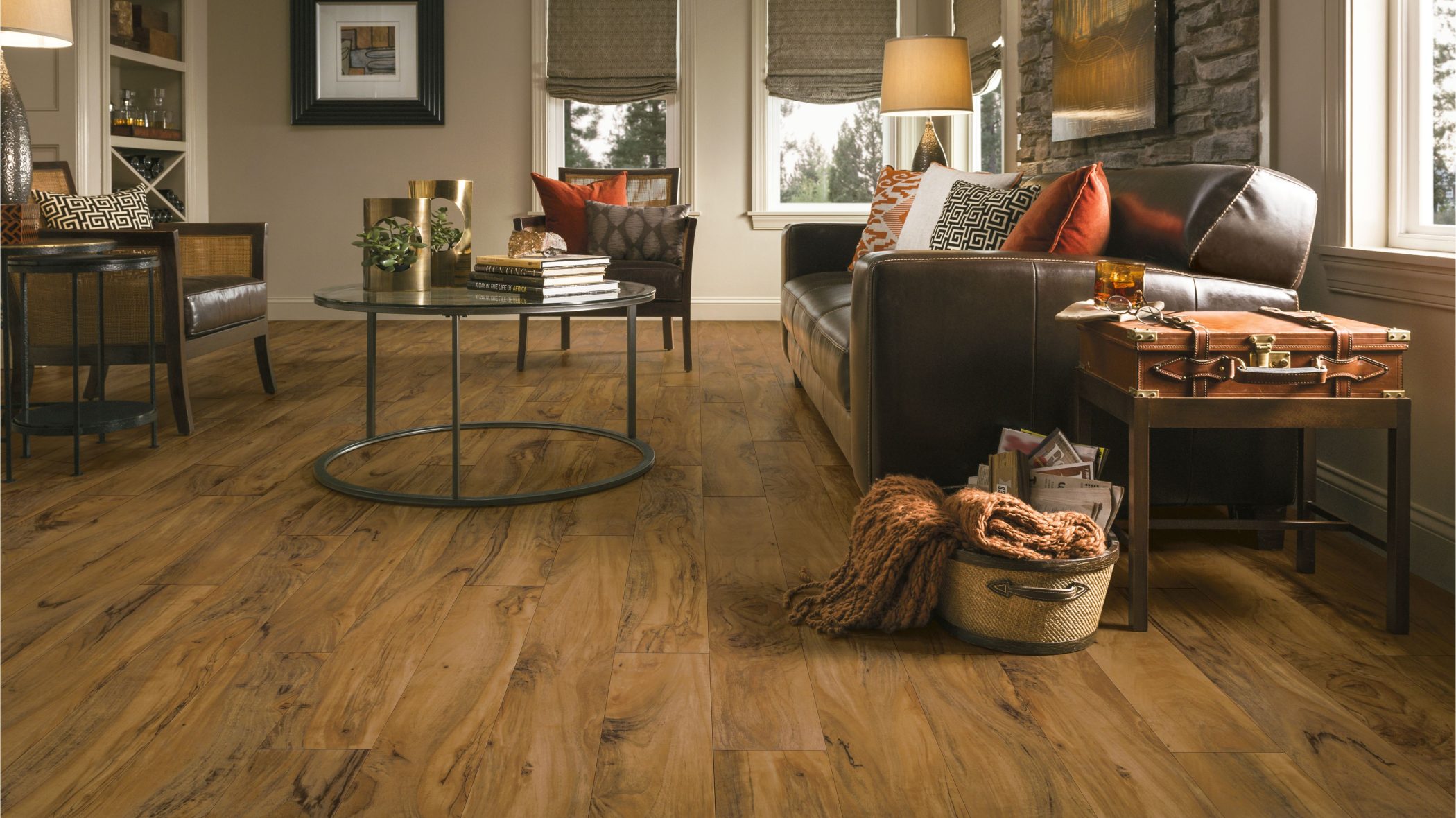
Luxury vinyl plank flooring can be purchased in different designs and colors. Some of these options mimic various natural surfaces such as slate, marble, and tile. These types of luxury vinyl plank flooring are made from several layers of padding that provide cushioning. The thickness of these layers can vary, affecting the floor’s durability and quietness.
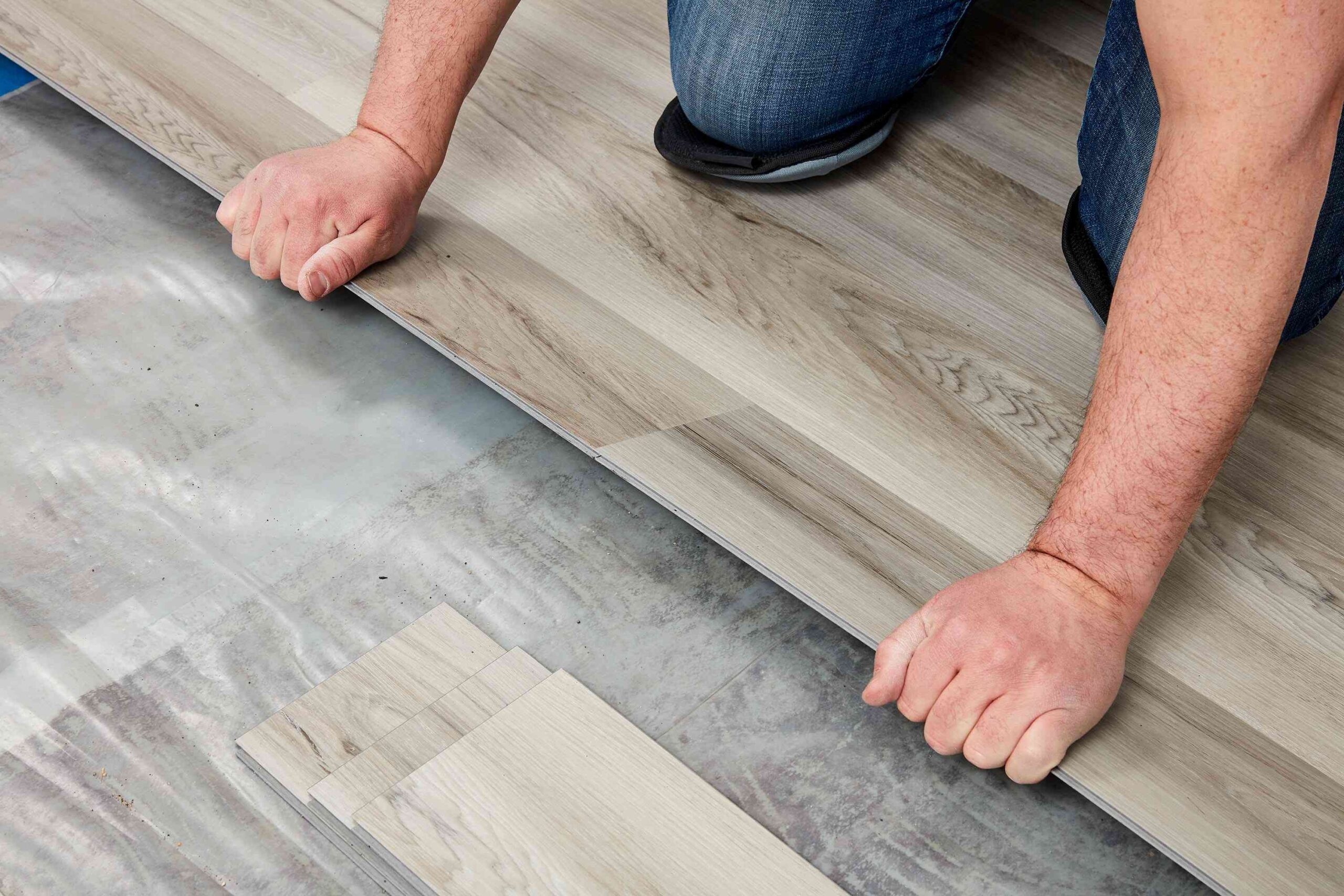
Luxury vinyl flooring is easy to install. These floors can be installed using a floating installation, and there are no nails to worry about. It’s also a good choice if you have a flat, level floor. Floating luxury vinyl is much easier to install than gluing down a laminate floor. And it’s more durable than laminate flooring. If you’re considering luxury vinyl flooring, choosing one that offers the right amount of cushion is important.
Vinyl plank flooring was first introduced in the 1970s. Today, it has become an alternative to real hardwood flooring, and its beveled plank cuts give it a more realistic appearance than sheet flooring. Modern vinyl plank flooring also comes with a waterproof surface wear layer, and a wood-plastic composite core layer adds extra protection from water.
Vinyl flooring is now available in more colors and styles than ever. It can even simulate stone and wood. It’s easy to install and comes in several different sizes. Newer versions of vinyl flooring can be custom designed to match the existing style of your home. Customizing vinyl flooring allows you to combine colors and patterns for a unique look that suits your space. Another advantage is its cost-effectiveness, and it’s cheaper than hardwood and stone flooring.